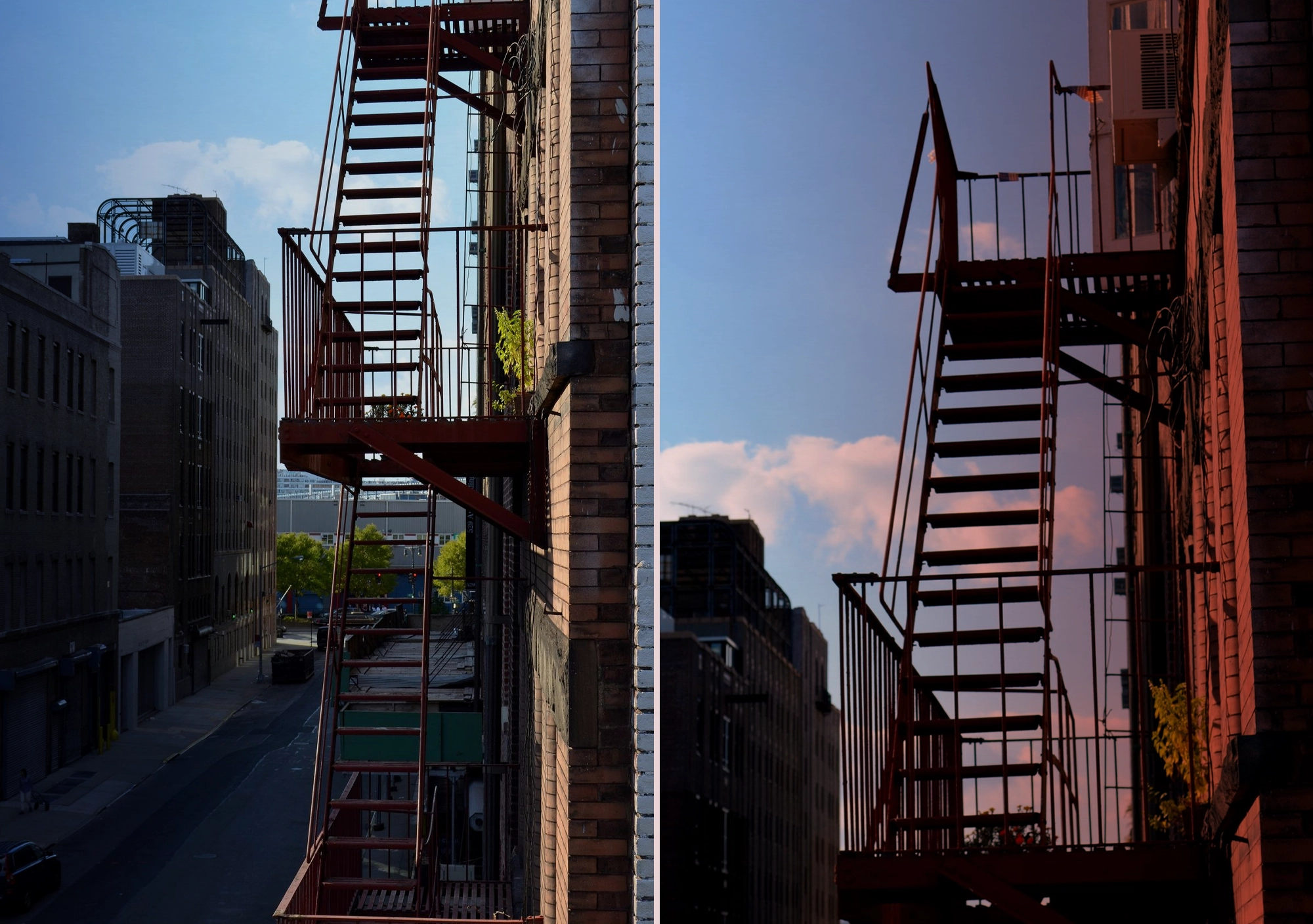
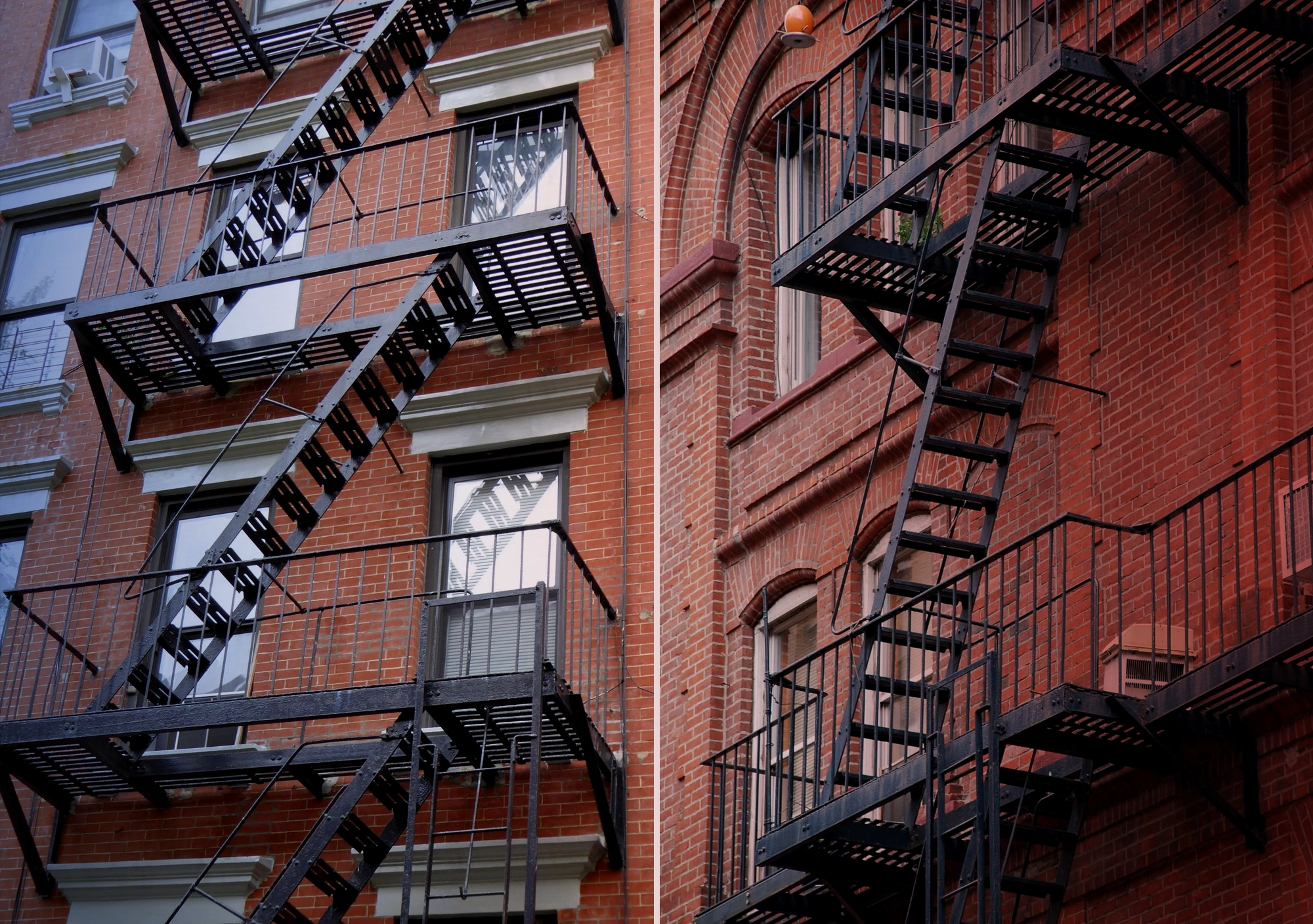
Fire escapes are a crucial lifeline for safety in multi-story buildings. It’s especially important in cities like New York, where narrow streets and high population density increase risk during emergencies.
While routine maintenance is essential, many property owners attempt DIY repairs without fully understanding the hazards, regulations, or best practices. Improper maintenance not only endangers residents but can also result in violations from the Department of Buildings (DOB) or costly insurance issues.
If you’re considering handling fire escape maintenance yourself, it’s essential to understand common mistakes and how to avoid them.
Neglecting Local Codes and Regulations
One of the biggest errors property owners make is ignoring NYC fire escape regulations. The DOB mandates that fire escapes be inspected and maintained in compliance with the NYC Building Code and Local Law 10.
DIY enthusiasts often fail to understand requirements such as minimum load ratings, proper anchoring, and egress width. Failing to comply can result in fines, work stoppages, or legal liability if an accident occurs.
Always check municipal codes before performing any maintenance, and consult a licensed professional if you’re unsure.
Using Incorrect Materials or Hardware
Fire escapes are designed to withstand extreme conditions, including high winds, heavy foot traffic, and the weight of multiple evacuees. A common DIY mistake is replacing rusted or damaged components with inappropriate materials.
For example, using standard steel screws instead of galvanized or stainless steel can accelerate corrosion. Meanwhile, inferior paint or coatings may peel, exposing the metal to rust.
Even minor shortcuts, such as replacing a hinge with a non-load-rated alternative, can compromise safety. Always use materials that meet or exceed the original fire escape specifications.
Overlooking Rust and Corrosion
Rust is the silent enemy of metal fire escapes. Many DIY projects focus only on visible damage or squeaky hinges while ignoring structural degradation.
Corrosion can weaken beams, joints, and supports, sometimes to the point of catastrophic failure. During maintenance, it’s crucial to inspect every platform, step, and bracket for rust, especially in areas prone to water or debris accumulation.
Cleaning, priming, and painting with high-quality rust-resistant coatings is essential. But remember, deep structural rust often requires a professional evaluation.
Ignoring Weight and Load Considerations
Fire escapes are engineered to support a specified number of people and a specified load. DIY repairs often overlook this critical aspect: reinforcing steps or platforms with lightweight or decorative materials that can’t handle the load.
Installing temporary planks or poorly secured attachments may create a false sense of security. Always ensure that repairs maintain or enhance the original load-bearing capacity, and avoid modifications that could compromise structural integrity.
Poor Fastening and Anchoring
Fasteners are the backbone of a fire escape’s stability. Loose bolts, missing screws, or poorly anchored brackets are common mistakes in DIY repairs.
Over time, vibration, weather, and use can loosen connections, creating a serious safety hazard. Every attachment point must be checked, tightened, or replaced with code-compliant fasteners.
DIYers sometimes overlook hidden connections behind paint or rust, which can cause a seemingly minor repair to fail unexpectedly.
Improper Painting and Coating
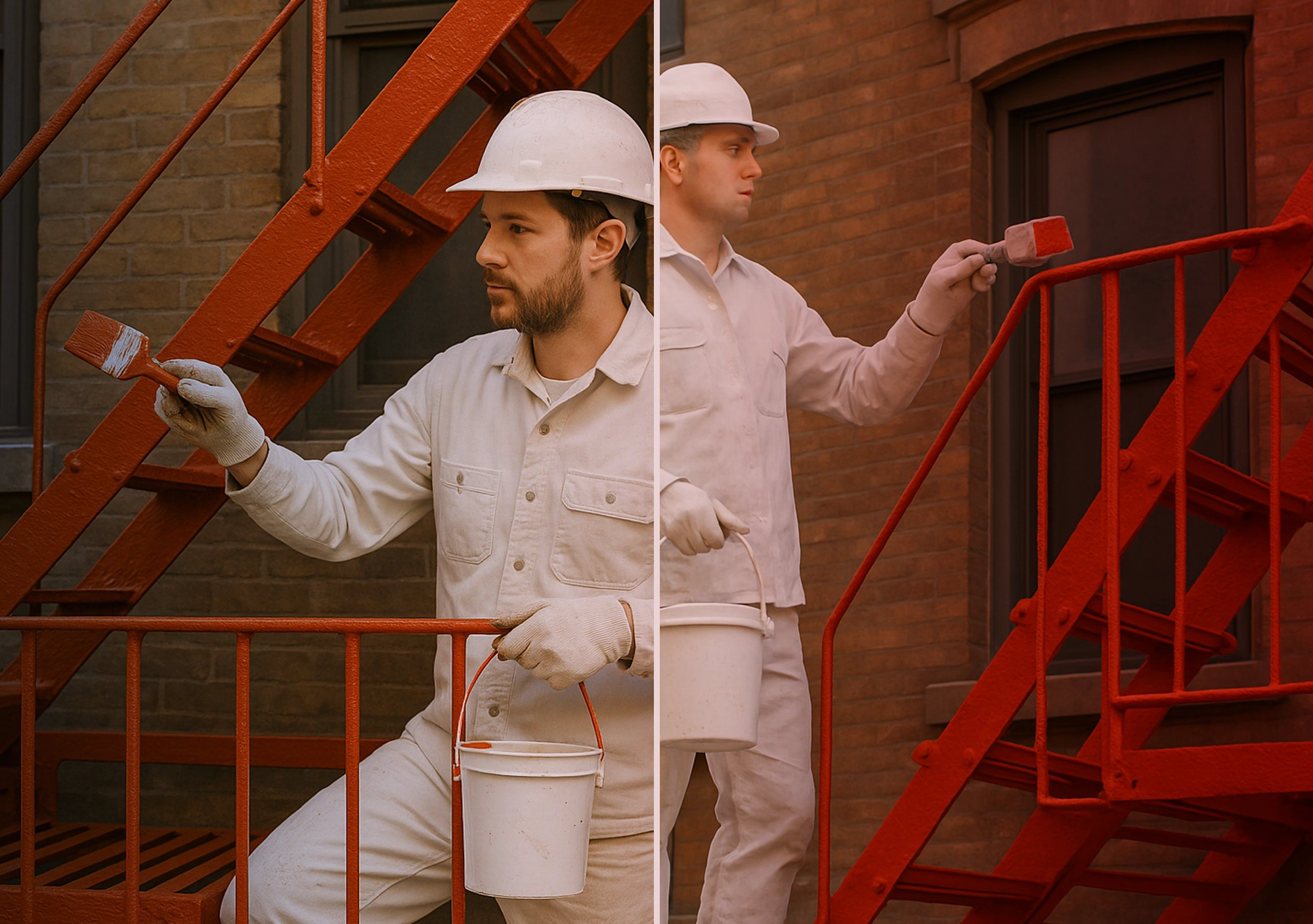
While painting is an important maintenance step to prevent corrosion, improper techniques can do more harm than good. Many DIY enthusiasts use standard exterior paint instead of fire-escape-specific coatings, which can trap moisture and accelerate rust.
Layering paint over rust without proper preparation can also hide structural issues, making inspections less effective. Before painting, remove loose paint, treat rust, and apply primers and coatings designed for weather-exposed metal structures.
Skipping Regular Inspections
A recurring mistake is treating fire escape maintenance as a one-time project rather than an ongoing responsibility. Even a well-maintained fire escape can degrade over time.
Regular inspections should include checking for rust, loose fasteners, warped or bent steps, and proper movement of folding ladders. Skipping inspections until a visible problem occurs increases the risk of accidents and often results in more costly repairs.
Quick DIY Fire Escape Maintenance Checklist
When to Call a Professional
While minor maintenance, such as cleaning debris or painting small areas, can be handled by homeowners, structural repairs, rust remediation, or modifications that affect load-bearing capacity should always be performed by licensed contractors.
Professionals can evaluate the structural integrity, apply code-compliant materials, and ensure that all work passes DOB inspection. Attempting major repairs yourself can void insurance coverage, create liability, and, most importantly, endanger lives.
Conclusion
Fire escape maintenance is a responsibility that directly impacts the safety of everyone in your building. DIY efforts are valuable for routine cleaning and minor upkeep.
But they must be approached with care, knowledge, and attention to detail. Avoid the common mistakes outlined above, use the right materials, follow NYC codes, and never hesitate to consult licensed professionals.
By taking a proactive, informed approach, you can ensure your fire escape remains a reliable emergency exit, protecting residents and keeping your building compliant with city regulations.